FLOWS
FLOWS Kitchen + FLOWS New...
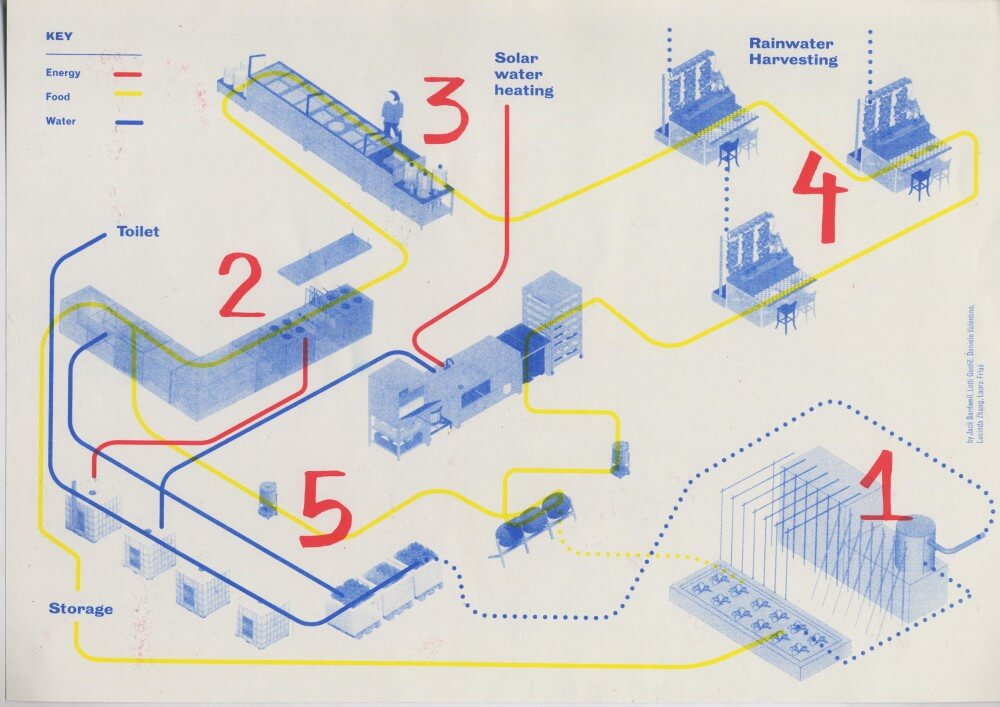
Preview group 1: For full work: INSIDERS’ KITCHEN Preview group 2: For full work: map + text The FLOWS work of STUDIO The New Workspace you can find in USTA’s: 01_Mega-Zine
Student work FLOWS 2015/2016
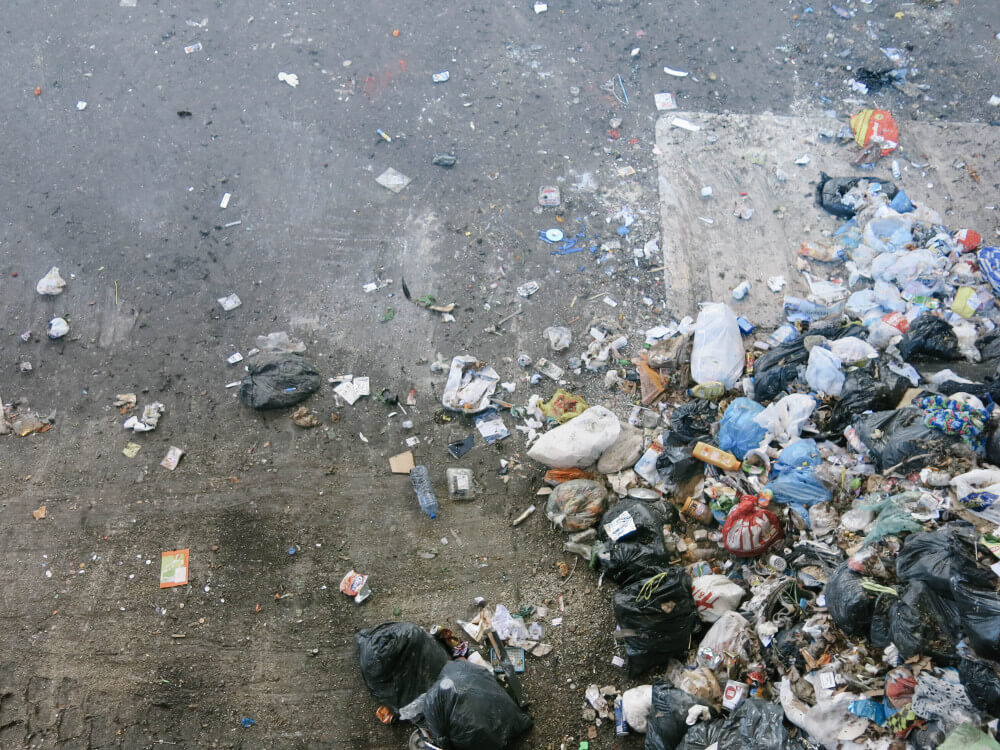
A selection of student work: Isadora Davide – Carwash Minjung Kang – Carwash Arvand Pourabassi – Braambergen Klodiana Millona – Braambergen



FLOWS Reader: Kim Hee Jung...
FLOWS 2014/2015 – Sustainable Green Architecture Building Construction
Elena Conrad (1st year...
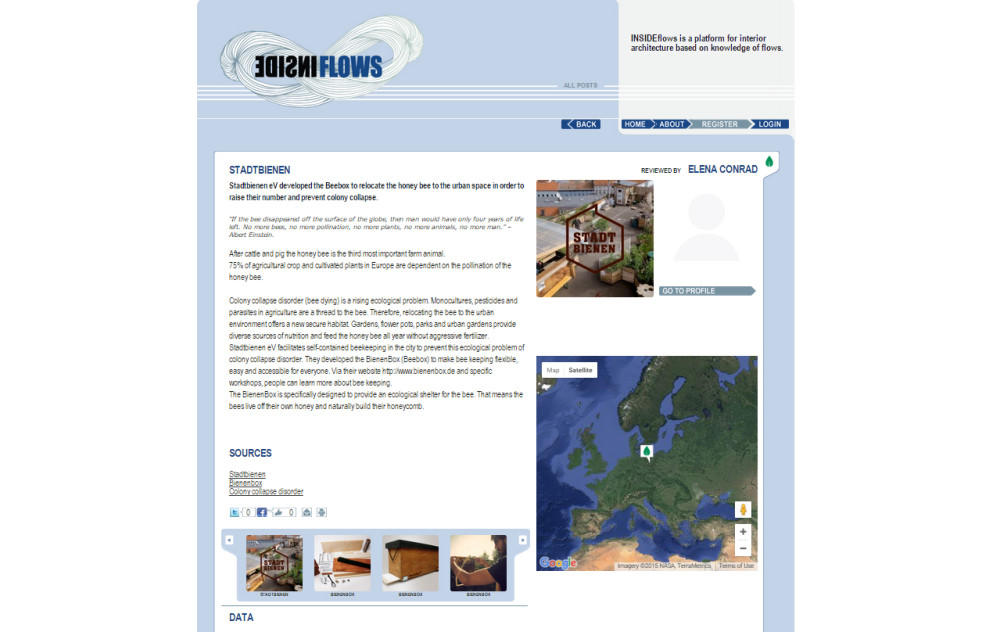
FLOWS 2014/2015 – Elena Conrad InsideFlows HERE you can read the final flows research of the first semester of 1st year student Elena Conrad.
Hegiasri Hutaries (1st year...
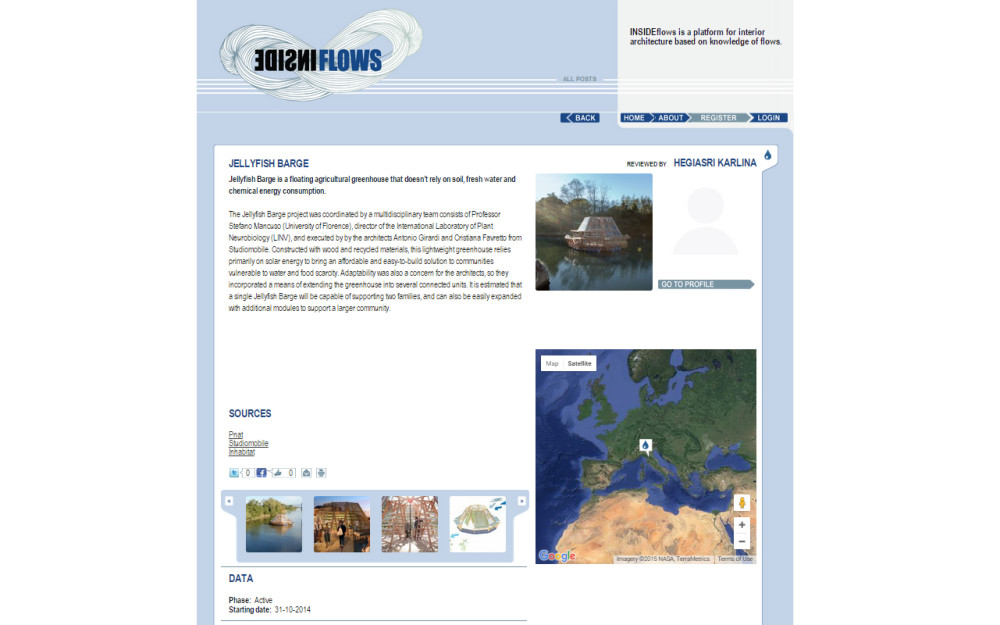
FLOWS 2014/2015 – Hegiasri Hutaries InsideFlows HERE you can read the final flows research of the first semester of 1st year student Hegiasri Karlina Hutaries.
Camilla Casiccia (1st year...
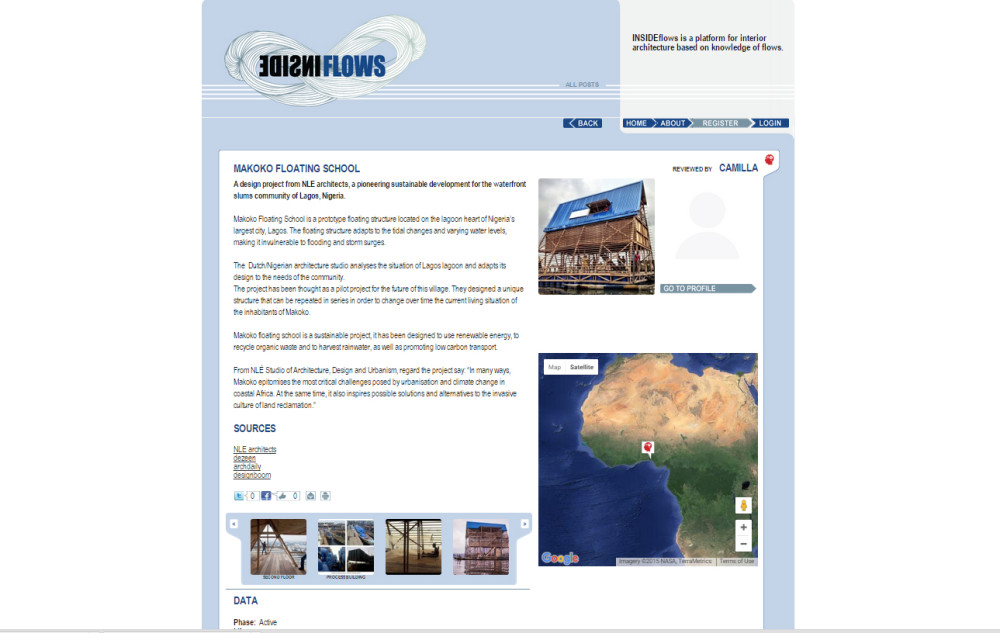
FLOWS 2014/2015 – Camilla Cassicia InsideFlows HERE you can read the final flows research of the first semester of 1st year student Camilla Casiccia.
Anique Van Helden (1st year...
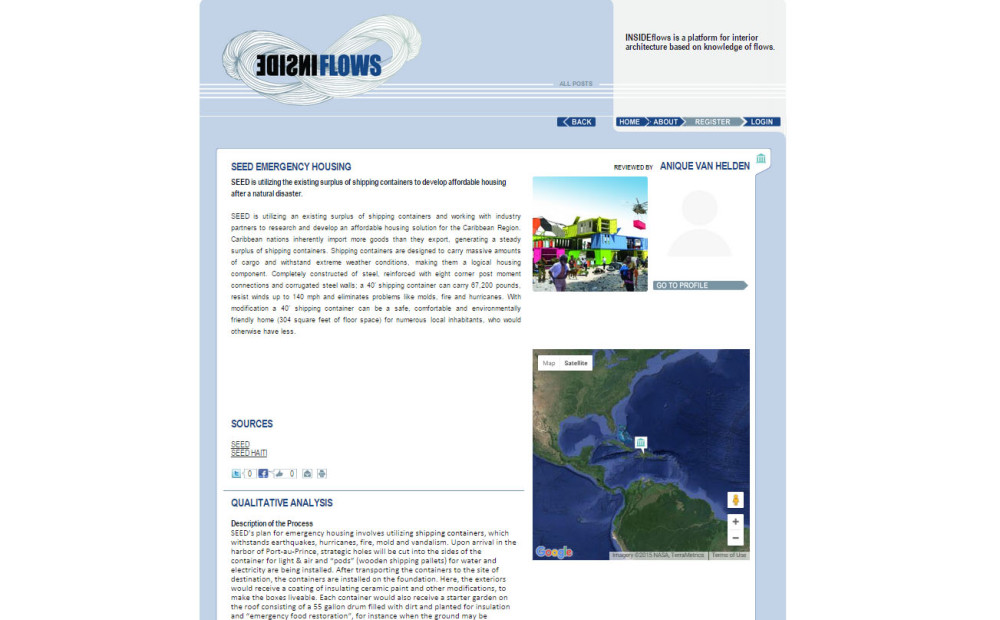
FLOWS 2014/2015 – Anique Van Helden InsideFlows HERE you can read the final flows research of the first semester of 1st year student Anique Van Helden.
Sisi Li (1st year student...

Sisi Li InsideFlows Here you can read the final flows research of the first semester of 1st year student Sisi Li.
Helen Miao (1st year student...
Helen Miao InsideFlows Here you can read the final flows research of the first semester of 1st year student Helen Miao.
Yuiko Yokota (1st year...
Yuiko Yokota InsideFlows Here you can read the final flows research of the first semester of 1st year student Yuiko Yokota.
Kim Hee Jung (1st year...
Kim Hee Jung InsideFlows Here you can read the final flows research of the first semester of 1st year student Kim Hee Jung.